
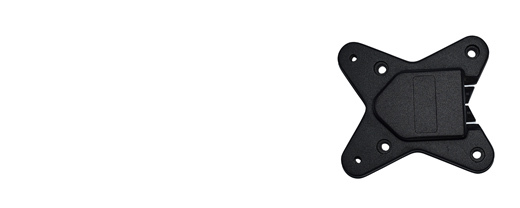



Ще съхранявате ли безопасно нашите инструменти за леене под налягане след масово производство?
2026-11-03 15:30
When a die casting project ends, the question that determines long-term value is simple: who keeps the tooling, how is it stored, and can it be reactivated reliably? For EV and industrial customers who have paid for molds, post-production storage is not a courtesy — it is a contractual and technical obligation. A well-maintained, traceable tool can be relaunched years later at low cost, while a neglected one can fail on the first trial run. Below we address how professional die casting suppliers handle mold custody, preservation, documentation, and reactivation.
1. Tooling Ownership and Post-Project Responsibility
Clear ownership is the foundation. Molds and related tooling purchased by the customer are typically recorded as customer-owned assets in the contract, distinct from the supplier's standard mold set. After mass production ends, the supplier must confirm in writing whether the tool will be retained on-site, transferred, or scrapped — this decision belongs to the customer. Professional suppliers document every movement: mold registration, transfer notes, maintenance logs and custody records. This traceability assures the customer that their tooling remains intact, identifiable and under agreed control, protecting both parties from disputes over condition or responsibility.
2. Mold Storage Standards: Environment and Handling
Safe storage is about more than locking a warehouse. Molds must be kept in a dry, temperature-controlled environment with controlled humidity to prevent condensation and rust. Tools should sit on dedicated racks or pallets, never on damp floors, with adequate clearance for inspection and airflow. Cavity surfaces should be coated with rust preventive oil and, where feasible, placed in protective covers or sealed packaging. Handling is equally important: cranes, forklifts and lifting fixtures must be rated for the mold weight to avoid damage to dies, cores and locating surfaces. A documented storage protocol — including who has access and how tools are moved — ensures the tooling is not degraded between production runs.
3. Mold Preservation and Rust Protection
Preservation determines whether a stored tool can be revived. After the final run, the mold should be thoroughly cleaned, dried and inspected. Rust preventive compounds are applied to polished cavity and core faces, with extra attention to areas prone to moisture entrapment such as slides, ejector pins and cooling channels. For long-term storage, some suppliers apply desiccants or vacuum-seal smaller tools. Water lines should be blown dry to prevent internal corrosion. These steps protect the mold steel — commonly H13 or S136H — from pitting and scaling that would otherwise compromise surface finish and dimensional accuracy on relaunch.
4. Tooling Tracking, Documentation and Traceability
A stored tool with no records is nearly worthless. Suppliers maintain a tooling registerкойто регистрира идентификационен номер на матрицата, редакция на чертежа, номер на частта на клиента, клас стомана, състояние на покритието и резултати от пробите. Всеки запис е свързан с доклади от инспекциите,СММзаписи и снимки, така че клиентът да може да провери състоянието на матрицата по всяко време.Проследимостотнася се и за резервни части — резервнивложки,ядраи нагреватели — които се съхраняват заедно с инструмента и са изброени в документацията. Тази документация подпомага точното преоценяване нарезервни части, планиране на реактивиране и застрахователни цели, давайки на клиента пълна видимост и увереност, че технитеинструментална екипировкае защитено и отчетено.
5. Реактивиране, поддръжка и управление на риска
Съхранението приключва, когато клиентът поръча отново, а реактивирането е мястото, където добрата практика се отплаща. Преди да се възобнови производството, доставчикът извършвапробен периодс проверка на състоянието: проверка на повърхността, проверка на размерите, течове ипорьозностпроверки. Инструментите, които са стояли с години, често се нуждаят отподдръжкакато полиране, повторно покритие или подмяна на износениизхвърлящи щифтовеСтруктуриран план за реактивиране — договорени срокове, оценка на разходите и критерии за приемане — минимизира времето за престой и изненадите. Управлението на риска обхваща също застраховка, редовни проверки на състоянието и ясни условия за отговорност, така че всякакви повреди, корозия или неправилно разположение да бъдат открити рано и обработени по определен процес, а не в момента на нужда.
други новини,
Повече ▼ >-
![Кои индустрии ще стимулират търсенето на алуминиево леене под налягане през 2026–2030 г.?]()
Кои индустрии ще стимулират търсенето на алуминиево леене под налягане през 2026–2030 г.?
Тази новина от индустрията прогнозира пазарното търсене на алуминиеви **леяни под високо налягане** продукти от 2026 до 2030 г., като подчертава пет основни сектора, които тласкат разширяването на пазара. Електрическата мобилност остава най-големият двигател, като технологията за **гига-леене** интегрира структурни компоненти на превозните средства. Индустриите за съхранение на енергия и възобновяема енергия се развиват бързо, изисквайки леки алуминиеви корпуси за инвертори и корпуси за батерии. Индустриалната автоматизация и роботиката увеличават поръчките за прецизни **леяни под налягане** механични корпуси и скоби. Телекомуникациите и потребителската електроника търсят тънкостенни, разсейващи топлината отливки за базови станции и електронни корпуси. Секторът на строителния и архитектурния хардуер осигурява стабилно търсене на устойчиви на корозия алуминиеви отливки. Доставчиците трябва да оптимизират дизайна на кухините на матриците и да контролират дефектите в порьозността, за да отговорят на строгите изисквания за толеранс и устойчивост от глобалните купувачи.
-
![Как да удължим експлоатационния живот на алуминиевите форми за леене под налягане?]()
Как да удължим експлоатационния живот на алуминиевите форми за леене под налягане?
Тази новина от индустрията изследва практически подходи за удължаване на експлоатационния живот на алуминиеви **леярски** форми. Тя анализира основните режими на повреди, включително термична умора, запояване и механично въздействие. Правилното третиране на стоманата на формата, стандартизираната термична обработка и предварителната обработка с азотиране полагат солидна основа за **инструменталната екипировка**. Оптимизираните параметри на леенето под налягане, като температура на формата, скорост на впръскване и пръскане на разделителен агент, намаляват термично-механичното натоварване на **впръскване**. Стриктното почистване, проверка и превантивна поддръжка на място откриват малки дефекти рано. Освен това, балансираната преценка за ремонт или подмяна предотвратява прекомерните инвестиции в силно повредени форми. Спазването на тези мерки помага на леярните да стабилизират качеството на отливките, да намалят времето за престой и да намалят общите производствени разходи за масово производство на алуминиеви компоненти.
-
![Можете ли да осигурите матово сатенено титаниево златно покритие върху части за леене под налягане?]()
Можете ли да осигурите матово сатенено титаниево златно покритие върху части за леене под налягане?
Тази статия разглежда дали може да се постигне матово сатенено титаниево-златно покритие върху **леяни под налягане** части. Висококачествената декоративна повърхност от сатенено-титаниево-златно покритие разчита най-вече на PVD покритие след подходяща предварителна обработка, включително сатенено четкане и почистване. Крайният вид зависи силно от качеството на отливката; йонът на сплавта, дизайнът на **инструменталната екипировка** и вътрешната порьозност влияят значително върху крайния добив. Често срещаните рискове включват отклонение в блясъка между партидите, мехури от скрита порьозност и неравномерно покритие, свързано с геометрията. Общите разходи се увеличават от работните процеси за оптимизация на матрицата, запечатване, четкане и вакуумно покритие. Купувачите се съветват да предоставят физическа справка за цвят и блясък, да валидират прототипи от целия процес и да дефинират ясни критерии за козметично приемане, вместо да се доверяват на цифрови рендери, за да стабилизират качеството на масово произвежданите декоративни леяни компоненти.
-
![Как да се балансират разходите за инструменти и разходите за масово производство на персонализирани отливки?]()
Как да се балансират разходите за инструменти и разходите за масово производство на персонализирани отливки?
Проектите за изработка на персонализирани отливки са изправени пред присъщи компромиси между еднократната инвестиция в инструментална екипировка и повтарящите се разходи за масово производство в индустрията за леене под налягане. Много заинтересовани страни сравняват само първоначалните оферти за матрици, като игнорират рисковете за целия жизнен цикъл, включително висок процент на брак, честа поддръжка на матриците и допълнителна вторична обработка. Тази статия анализира пет практически измерения: логика на разходите за амортизация на сърцевината, оптимизация на ДФМ в ранен етап, ориентирано към обема на инструментална стомана и количество кухини, настройване на процеса за съкращаване на времето на цикъла и подобряване на производителността на литниковата система, както и гъвкави режими на търговско сътрудничество. В нея се посочва, че евтината инструментална екипировка често създава скрити загуби при масово производство. Рационалните решения изискват оценка на общите разходи за притежание, а не на еднократните разходи, съпоставяне на спецификацията на инструмента с реалния обем на продукцията, така че производителите и купувачите да получат балансирано качество и икономически ползи за персонализираните отливки.
-
![Каква повърхностна обработка прилагате върху кухината на инструментите за леене под налягане?]()
Каква повърхностна обработка прилагате върху кухината на инструментите за леене под налягане?
Фокусирана върху решенията за обработка на повърхността на кухините за леярски форми под високо налягане, тази статия разглежда пет ключови раздела: тежка работна среда за кухини, четири основни технологии за защитни покрития, как покритията елиминират дефектите при партидно леене под налягане, правила за съвпадение въз основа на производителността и допустимото ЦПУ обработване на алуминиеви леярски части, както и сравнение на разходите и експлоатационния живот на всяко покритие. Плазменото азотиране служи като основна нискобюджетна обработка, докато ТД покритието предлага отлични антиадхезионни характеристики за дългосрочно масово производство. PVD покритието е подходящо за отливки с висок гланцов вид. Пропускането на покритието на кухините намалява първоначалните разходи за инструментална екипировка, но води до постоянни дефекти на заготовките и допълнителни разходи за последваща обработка.
-
![Какъв толеранс можете да гарантирате за резбовани отвори за леене под налягане?]()
Какъв толеранс можете да гарантирате за резбовани отвори за леене под налягане?
Тази статия отговаря на основния въпрос относно гарантирания толеранс на резбованите изделия при леене под налягане, като разделя толерансите на търговски, прецизни и ултрапрецизни, адаптирани към различни сценарии на сглобяване. Тя анализира температурата на разтопения алуминий, разположението и износването на формата като основни фактори, влияещи върху толеранса при процеса на леене под високо налягане. Оптимизираната структура за позициониране и охлаждане на инструментите за леене под налягане стабилизира ефективно нормалния толеранс. Предпроизводственият ДФМ анализ избягва рисковете от структурен толеранс, като проверява дебелината на стената, разстоянието и изискванията за сглобяване. За ултра-тесен толеранс, отвъд възможностите за чисто леене под налягане, се използва ЦПУ обработка след леене, включително нарязване на резба и позиционно разпробиване, за да се подобри прецизността. Фабриката предоставя ясни йерархични стандарти за толеранс, пълна проверка на качеството и предварително потвърждение на пробите, за да отговори на нуждите на глобалните купувачи за сглобяване на хардуер и производство на галванични покрития.
-
![Каква е разликата между цинковите и алуминиевите части, получени чрез леене под налягане?]()
Каква е разликата между цинковите и алуминиевите части, получени чрез леене под налягане?
Съществуват значителни разлики между цинковите и алуминиевите отливки. Цинковата сплав има по-ниска точка на топене, по-добра течливост и по-ниски загуби във формата, идеална за деликатен декоративен обков и подвижни части с ниско натоварване, но е склонна към пълзене при дългосрочно натоварване. Алуминиевата сплав е по-лека, с по-висока структурна якост и по-добра естествена устойчивост на корозия, което я прави подходяща за носещи компоненти и продукти за външна употреба. Цинковите отливки се съчетават добре с галванично покритие, докато алуминиевите се адаптират по-добре към пръскане и анодиране. Изборът на материал трябва да се основава на теглото на продукта, натоварването, работната среда, нуждите от външен вид и производствения бюджет.
-
![Каква е разликата между леене под налягане от алуминий и леене в пясък?]()
Каква е разликата между леене под налягане от алуминий и леене в пясък?
Тази статия сравнява леенето под високо налягане на алуминий и леенето в пясъчни форми от пет основни аспекта. Леенето под налягане използва метални форми за многократна употреба с пълнене под високо налягане, характеризиращи се с висока точност на размерите, гладка повърхност, висока производствена ефективност и плътна вътрешна структура. Подходящо е за големи партиди, високо прецизни леки промишлени части с ниска единична цена за масови поръчки. Леенето в пясъчни форми използва пясъчни форми за еднократна употреба и гравитационно пълнене, с ниски първоначални разходи, но ниска прецизност, грапава повърхност и ниска ефективност. Подходящо е за малки партиди прототипи и извънгабаритни алуминиеви компоненти. Производителите трябва да коригират процесите на леене според обема на поръчката, изискванията за прецизност и реалните сценарии на приложение.
Вземете най-новата цена? Ще отговорим възможно най-бързо (в рамките на 12 часа)